

Emirates expands autism travel support programme to Zambia with airport rehearsals
Simulated journeys ease airport anxiety for neurodiverse children and families
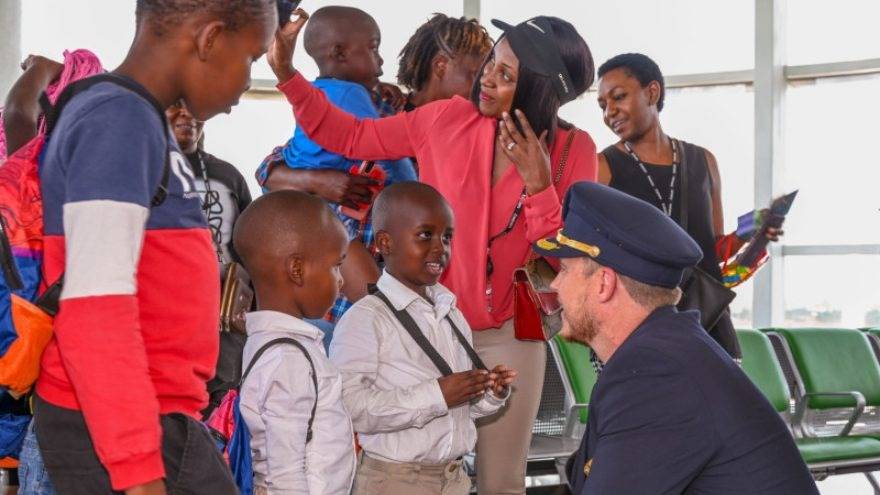
LUSAKA, Zambia – Emirates has expanded its Travel Rehearsal programme to Zambia, reinforcing its broader push to make air travel more inclusive and accessible across Africa and beyond.
The initiative was conducted in partnership with Kenneth Kaunda International Airport and local advocacy group AutistismTales Support Group, bringing together children on the autism spectrum and their carers for a structured airport experience.
The programme is designed to reduce uncertainty around air travel procedures and help families become familiar with real-world airport environments. It forms part of Emirates’ ongoing efforts as the world’s first Autism-Certified Airline.
Accessibility push
Concerns around unfamiliar airport environments, sensory stimulation and procedural uncertainty remain key barriers for many neurodiverse travellers. According to findings referenced via AutismTravel.com, around 78% of families report hesitation when considering travel or visiting new environments due to such challenges. The Travel Rehearsal initiative seeks to address these concerns through practical exposure and guided simulation.
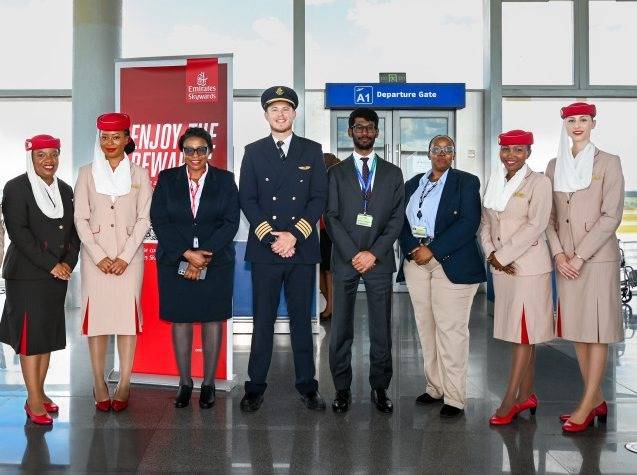
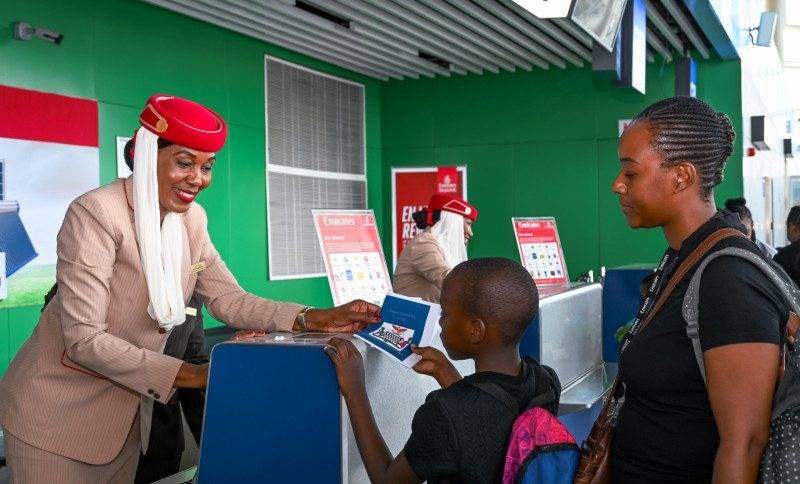
In Lusaka, participants were taken through a full mock travel journey, starting from check-in and baggage drop to immigration and security procedures. The experience also included exposure to busy airport spaces such as retail and dining areas, helping participants gradually adapt to sensory and procedural elements of air travel. The structured format aimed to provide predictability, allowing children and families to rehearse each step in a calm and supportive setting.
Airport simulation
The programme was delivered as a real-time, guided simulation inside Kenneth Kaunda International Airport, with operational support from airport staff and Emirates ground teams. The exercise allowed participants to interact with airport systems in a controlled environment while being supported by trained personnel.
Ahmad Ismail, Emirates’ Country Manager in Zambia, said the initiative is designed to make airport and aircraft experiences more predictable and reassuring for children and young adults with autism. He noted that collaboration with airport authorities and support organisations was central to delivering the programme successfully in Zambia. He also acknowledged the role of Emirates Airport Services teams in Lusaka in facilitating the simulation process.
Officials from Zambia’s aviation sector also underlined the importance of such initiatives in strengthening inclusive infrastructure across airports. Zambia Airports Corporation Limited highlighted that inclusion is embedded in its approach to airport design and operations, focusing on improving accessibility for passengers with hidden disabilities. The organisation emphasised that travel rehearsals help aviation stakeholders better understand passenger needs and reduce anxiety associated with travel processes.
Family experience
Families participating in the Lusaka rehearsal described the initiative as a practical and reassuring introduction to air travel. Parents noted that exposure to airport procedures helped children understand what to expect, from handling luggage to boarding an aircraft. Several carers highlighted that unfamiliar environments often present challenges for neurodiverse children, making preparation a key factor in improving travel confidence.
One parent described the experience as particularly valuable in identifying areas where additional support may be needed, while another noted that the simulation helped her child learn basic travel steps in advance of an upcoming journey. Others said the exercise broadened children’s understanding of airport environments and reduced apprehension about future flights.
Participants also stressed the importance of awareness among service providers, stating that initiatives like travel rehearsals help bridge gaps between operational procedures and passenger needs. The structured exposure was seen as particularly beneficial for families preparing for first-time travel experiences.
Global rollout
Since April 2025, Emirates’ Airport Services teams have delivered more than 40 Travel Rehearsal sessions across a wide global network of airports, including locations in Africa, Europe, Asia, North America and Australia. These sessions form part of a coordinated effort to improve accessibility awareness and operational readiness across the airline’s international network.
More than 35,000 Emirates staff members have received training to support customers with autism, enabling them to assist passengers during travel and participate in rehearsal programmes. The airline continues to work closely with airport operators and local partners to ensure that each session is tailored to specific environments while maintaining a consistent support framework across all locations.